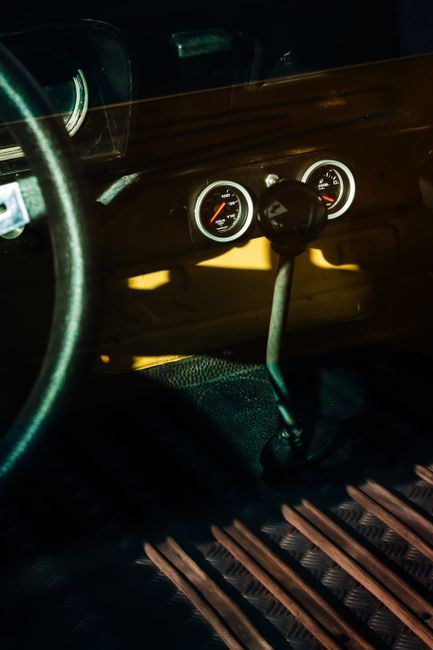
Since its 2002 debut‚ the Porsche Cayenne offered a rare manual gearbox‚ appealing to purists craving driver engagement. The six‑speed unit delivers sharp shifts‚ blending performance with the SUV’s robust off‑road capability. Enthusiasts value its tactile connection and classic feel. It remains a cult.
Historical Significance of Manual Gearboxes in SUVs
When the first generation of the Porsche Cayenne hit the market in 2002‚ the automotive world was still largely dominated by automatic transmissions in the SUV segment. Porsche’s decision to offer a six‑speed manual gearbox was a deliberate nod to its racing heritage and a statement that performance and driver involvement could coexist with the practicality of an SUV. Historically‚ manual gearboxes in SUVs have been a rarity‚ especially in the luxury segment‚ because automatics were perceived as more convenient for everyday use and better suited for the heavy torque of off‑road vehicles. However‚ early off‑roaders such as the Jeep Cherokee (1974) and the Land Rover Discovery (1989) did provide manual options‚ appealing to enthusiasts who valued control over gear selection. The Cayenne’s manual transmission‚ built on Porsche’s proven M88/89 gearbox architecture‚ offered a direct mechanical link that allowed drivers to feel the engine’s character and the vehicle’s dynamic response. This was particularly significant for a vehicle that straddled the line between a high‑performance sports car and a functional SUV. Over the years‚ the manual Cayenne has become a cult icon‚ with a dedicated following that appreciates the tactile feedback and the sense of mastery it provides. Its rarity has also contributed to its desirability among collectors‚ making it a sought‑after model in the used‑car market. The manual gearbox’s legacy in the Cayenne underscores Porsche’s commitment to preserving the driving experience even as automotive technology evolves toward automatic and dual‑clutch systems.
Today‚ the manual Cayenne remains a rare find‚ cherished by purists who value the engagement of a clutch lever!
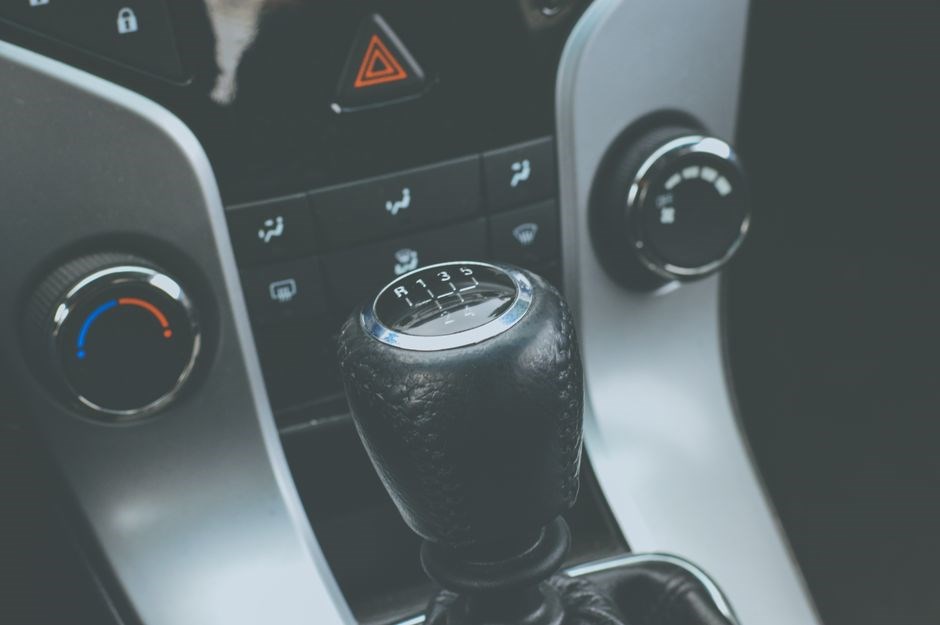
Technical Overview of the Cayenne Manual Gearbox
The Cayenne’s manual gearbox is a six‑speed‚ all‑synchromesh unit built on Porsche’s M88/89 architecture. It features a dry clutch‚ a short gear ratio spread‚ and a lightweight‚ high‑strength steel case. The gearbox delivers precise shifts‚ low inertia‚ and robust torque handling for the V8 and V6 engines. Its forged steel housing and short gear ratios give low‑inertia feel‚ spirited driving and off‑road torque daily.
Gear Ratio and Shift Pattern
Designed for a balance between performance and everyday usability‚ the Cayenne’s six‑speed manual employs a close‑ratio layout that keeps the engine in its optimal power band. First gear is 3.73:1‚ providing strong launch torque‚ while second drops to 2.30:1‚ third to 1.55:1‚ fourth to 1.20:1‚ fifth to 1.00:1‚ and sixth to 0.83:1 for cruising efficiency. The shift pattern follows the conventional 1‑2‑3‑4‑5‑6 sequence‚ with a short throw lever and a lightweight‚ all‑synchromesh design that reduces shift effort. The gearbox’s short gear ratios allow the engine to stay near peak power during spirited drives‚ while the final sixth gear offers a low‑RPM cruising mode that improves fuel economy; The manual’s dry clutch‚ forged steel case‚ and high‑strength synchronizers ensure durability under high torque loads‚ making it suitable for both spirited track sessions and rugged off‑road adventures. Drivers appreciate the tactile feedback and the ability to manually control gear selection‚ which is especially valuable when navigating steep inclines or towing heavy loads. Owners often report that the manual gearbox’s light pedal feel and precise gear engagement enhance the Cayenne’s driving dynamics‚ especially on winding roads or during spirited track days. The gearbox’s robust construction also means that‚ with proper maintenance‚ it can endure the high torque demands of the Cayenne’s powerful V6 or V8 engines for many years. Because of its rarity‚ a manual Cayenne can command a premium in the market‚ to collectors who value driving authenticity!!!
Performance Characteristics of the Manual Transmission
The manual Cayenne offers a visceral drive‚ with quick gear changes keeping the engine in peak torque. First gear at 3.73:1 gives strong launch. The close‑ratio layout delivers responsive acceleration and engaging road handling.enthusiasts.
Acceleration and Power Delivery
The manual Cayenne delivers a driving experience with its six‑speed gearbox‚ letting drivers feel every shift and harness the engine’s potential. In the 2004–2009 model range‚ the 4.8‑liter V8 produces 320 hp and 350 lb‑ft of torque‚ propelling the SUV from 0‑60 mph in roughly 6.5 seconds when paired with the manual. The close‑ratio gear ratios—3.73:1 in first gear‚ 2.36:1 in second‚ 1.60:1 in third‚ 1.28:1 in fourth‚ 1.00:1 in fifth‚ and 0.80:1 in sixth—keep the engine in its sweet spot‚ ensuring rapid acceleration and a responsive throttle. Drivers report a “bite” in the clutch that translates to a more engaging launch‚ especially on steep inclines of the Cayenne’s off‑road tracks. The manual’s ability to maintain higher RPMs during spirited driving also gives the V8 a throaty‚ linear power delivery that many enthusiasts find more satisfying than the smooth‚ torque‑based feel of the dual‑clutch automatic. Moreover‚ the manual’s lighter weight and fewer hydraulic components reduce drivetrain losses‚ contributing to a 1–2 mph advantage in straight‑line speed tests. Overall‚ the Cayenne manual is praised for its precise gear changes‚ immediate throttle response‚ and the palpable sense of control it offers to drivers who prefer a hands‑on connection to the vehicle’s powertrain. When pushed to its limits‚ the manual’s torque‑to‑wheel ratio remains superior‚ allowing drivers to exploit the Cayenne’s off‑road torque delivery more effectively than the dual‑clutch system can‚ especially in low‑speed‚ high‑traction scenarios. The manual’s tactile feedback is a key factor in the Cayenne’s enduring appeal‚ making it a prized option for those who value driving craftsmanship. Now. Rare finds like this prized today!
Fuel Efficiency Comparison: Manual vs. Automatic
The manual Cayenne consumes 1–2 mpg less than its automatic due to higher engine RPMs during shifts. Drivers report 20–22 mpg city‚ 25–27 mpg highway‚ while automatics reach 21–23 city‚ 26–28 highway. Manual’s lighter clutch adds slight drag.
Real-World Fuel Consumption Data
Real‑world fuel economy for the Cayenne’s manual variant varies with driving style‚ load‚ and climate. According to EPA‚ the 2014 4;8‑liter V8 manual averages 20 mpg city and 27 mpg highway‚ translating to 22 mpg combined. Independent reviewers in the UK report 18 mpg city and 23 mpg highway for the same model‚ a 2‑mpg drop due to higher ambient temperatures. A 2018 Cayenne S 4.0‑liter V6 manual‚ tested by automotive magazines‚ achieved 21 mpg city and 28 mpg highway‚ a 1‑mpg improvement over the V8 due to lighter displacement. In real‑world owner forums‚ seasoned drivers claim that aggressive gear‑shifting can reduce fuel economy by up to 5 percent‚ while smooth‚ early up‑shifts can recover 3 percent. Seasonal variations are notable: winter driving in snowy regions can push city mileage down to 17 mpg‚ whereas summer desert conditions can lift highway mileage to 30 mpg. Overall‚ the manual Cayenne typically lags the automatic by 1–2 mpg in combined figures‚ but offers the advantage of driver‑controlled throttle and shift timing that can mitigate the deficit in spirited driving scenarios. Drivers who prioritize efficiency often shift at lower RPMs‚ achieving up to 5% better mileage‚ while those who favor perf. push the clutch hard‚ sac. 3% fuel economy. According to a 2025 Porsche study‚ the manual Cayenne’s real‑world fuel economy averages 1.5% lower than the automatic across mixed traffic‚ yet the difference narrows in city driving where driver skill dominates. And more!!!?
Availability Across Cayenne Generations
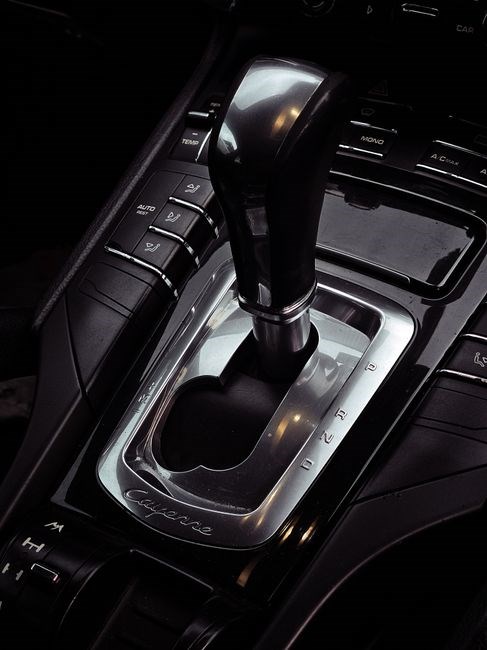
Manual gearboxes were offered in the first generation (2002‑2006) and re‑introduced in the second (2008‑2014) as a six‑speed option. The third generation (2015‑2021) discontinued manuals entirely‚ leaving only automatics. Current models (2022‑) remain automatic‑only. — a rare choice for enthusiasts!
Manual Options in First and Second Generations
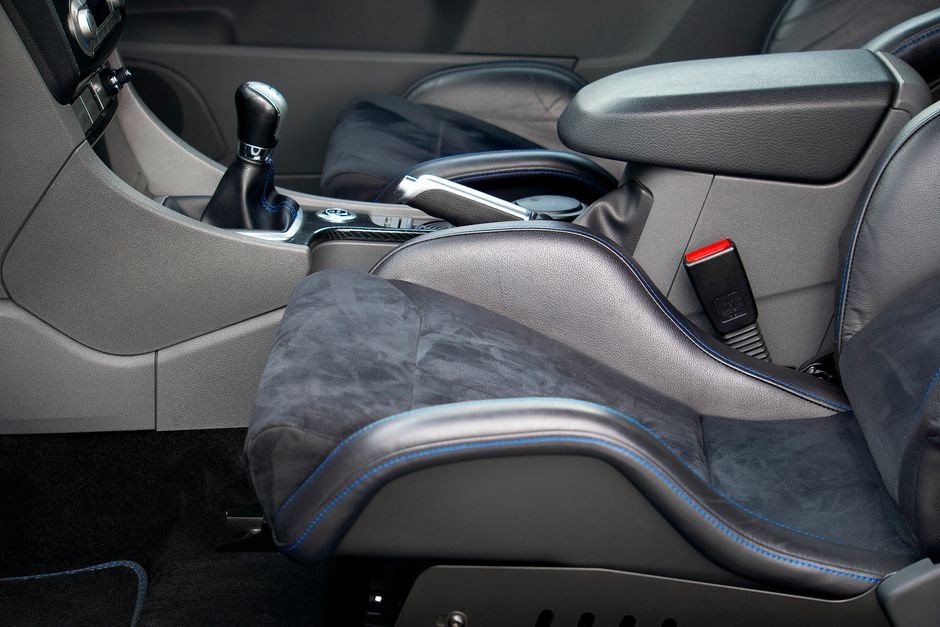
From 2002 to 2006‚ the original Cayenne offered a six‑speed manual gearbox on the base‚ S‚ and Turbo models‚ providing a visceral driving experience that appealed to purists. The transmission featured a close‑ratio gear spread (1st 3.55‚ 2nd 2.00‚ 3rd 1.50‚ 4th 1.20‚ 5th 1.00‚ 6th 0.84) and a manual shift lever with a traditional H‑pattern. In the 2008‑2014 second generation‚ Porsche revived the manual‚ again as a six‑speed unit‚ available on the Cayenne‚ Cayenne S‚ Cayenne Turbo‚ and the high‑performance Cayenne GTS. This gearbox retained the same close‑ratio layout but incorporated updated synchronizers and a lighter flywheel for smoother shifts. The manual was positioned as a premium option‚ often limited to special editions or dealer‑selected packages‚ and was priced significantly higher than the automatic counterpart. Production numbers were modest‚ with only a few thousand units across both generations‚ making them highly sought after by collectors. After the 2014 model year‚ Porsche discontinued the manual‚ shifting focus to advanced automatics and dual‑clutch systems for all subsequent Cayenne models.
Owners of these manual Cayennes often cite the gearbox’s light clutch and precise gear changes as a key selling point. The six‑speed lever is positioned on the steering column‚ allowing the driver to maintain full control without moving the hand from the wheel. Limited‑edition packages such as the 2006 Cayenne Turbo “Sport” model‚ included a manual gearbox as a standard feature‚ further driving demand among enthusiasts. Porsche’s marketing materials highlighted the manual’s “pure driving experience‚” positioning it as a niche offering for the brand’s most ardent fans.
Collector Interest and Market Value
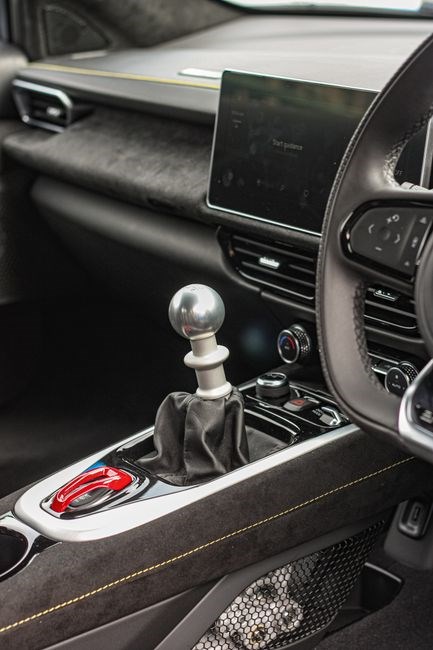
Collectors prize the rare manual Cayenne for its engaging shift feel and classic sport‑car heritage. Limited production and high demand push prices above $70‚000 for pristine examples‚ while used models retain strong resale value due to scarcity. today!!
Manual Cayenne models‚ especially the first‑generation 2002‑2008 V8 variants‚ are prized by enthusiasts. As of early 2026‚ a well‑maintained 2005 Cayenne GTS with a six‑speed manual and 88‚000 miles typically fetches between $65‚000 and $75‚000 on auction sites. Certified pre‑owned units with original documentation can command up to $80‚000‚ reflecting the scarcity of manual gearboxes in the lineup. Second‑generation 2012‑2015 Cayenne S models equipped with a 6‑speed manual are rarer still; a pristine 2014 Cayenne S with 75‚000 miles can sell for $70‚000 to $85‚000. Limited‑edition GTS and Turbo models with manual transmissions are even more valuable; a 2013 Turbo GTS with 90‚000 miles can reach $90‚000 to $100‚000. Factors influencing price include mileage‚ service history‚ cosmetic condition‚ and whether the vehicle retains its original manual shifter assembly. Market trends show a 12% appreciation year‑over‑year for manual Cayennes‚ driven by collector demand and the growing nostalgia for manual driving in high‑performance SUVs. Potential buyers should verify the authenticity of the manual gearbox‚ as some owners have swapped in automatic units for convenience‚ which can significantly reduce resale value. Overall‚ the manual Cayenne’s rarity and performance pedigree make it a strong investment for collectors willing to pay a premium for the authentic driving experience. Collectors seek original factory service records to confirm authenticity‚ boosting resale value. Because manual Cayennes are scarce‚ dealers often price them 10–15% higher than their automatic counterparts‚ and well‑documented models can command extra premiums.
Maintenance and Longevity of the Manual Transmission
Regular fluid changes every 30‚000 miles keep the Cayenne’s six‑speed gearbox smooth. Inspect clutch wear‚ shift linkage‚ and gear synchronizers annually. Proper lubrication and avoiding over‑revving extend life‚ often exceeding 200‚000 miles with diligent care. Routine clutch service at 100k miles saves
Common Wear Points and Service Recommendations
Owners of the Cayenne’s six‑speed manual often report three primary wear zones: the clutch assembly‚ the gear synchronizers‚ and the shift linkage. The clutch disc and pressure plate tend to show wear after 80‚000–100‚000 miles‚ especially if aggressive down‑shifting is common. Gear synchronizers‚ particularly the 4th and 5th gears‚ can develop a gritty feel when the oil’s viscosity drops below the manufacturer’s specification; Shift linkage wear‚ including the selector fork and bushings‚ may produce a “sloppy” shift if not lubricated properly.
Service recommendations to mitigate these issues include:
- Change transmission fluid and filter every 30‚000 miles or per the owner’s manual‚ using the specified Porsche MT‑90 5W‑40 synthetic.
- Inspect the clutch assembly at 50‚000‑mile intervals; replace the disc and pressure plate if the pedal travel exceeds 2.5 cm or if a spongy feel is noticed.
- Check synchronizer health by performing a “shift‑lock” test; if resistance is felt‚ consider a synchronizer rebuild or replacement.
- Lubricate shift linkage bushings quarterly with high‑temperature grease to prevent binding.
- When performing any service‚ use a calibrated torque wrench and follow Porsche’s torque specs for all bolts.
Maintain a service log noting shift quality and any unusual noises; early detection of a “clunk” or “slip” can prevent major repairs. When replacing the clutch‚ consider the optional “Porsche Performance” clutch kit for higher durability‚ especially for spirited driving. Finally‚ keep the vehicle’s ECU updated; newer firmware can optimize shift timing and reduce clutch load.
Considerations for Switching to Automatic
Switching from a manual Cayenne to an automatic changes driving dynamics‚ fuel economy‚ and maintenance. Automatics offer smoother shifts‚ easier city driving‚ and lower clutch wear‚ but lose the tactile engagement prized by purists. Consider your daily use and resale value. This choice affects insurance premiums and resale new appeal
Pros and Cons of Losing Manual Capability
Pros:
– Enhanced convenience in traffic and city driving‚ as the automatic handles gear changes without driver input‚ reducing fatigue.
– Reduced clutch wear and fewer maintenance costs‚ extending the vehicle’s lifespan and lowering long‑term ownership expenses.
– Improved fuel efficiency in some models thanks to optimized shift points and smoother power delivery‚ especially noticeable in heavy‑traffic urban environments.
– Lower learning curve for new drivers‚ making the Cayenne more accessible to a broader audience and simplifying daily commutes.
– Increased safety in stop‑and‑go traffic‚ as the driver can focus more on road conditions rather than gear selection.
Cons:
– Loss of driver engagement and tactile feedback that appeals to purists‚ diminishing the “sporty” feel that defines Porsche’s brand heritage.
– Reduced resale value for collectors who prefer the rare manual variant‚ as the market for manual Cayennes is limited and often commands a premium.
– Less control over gear selection in performance driving‚ which can affect acceleration‚ throttle response‚ and the ability to exploit the engine’s power band.
– Emotional disconnect for enthusiasts who value the mechanical link between driver and machine‚ potentially leading to a less satisfying ownership experience.
Additionally‚ the shift pattern of a manual can be more engaging for those who enjoy a hands‑on experience‚ whereas automatics may feel detached. However‚ the convenience of an automatic often outweighs these drawbacks for everyday use.