Elbow ROM Exercises PDF guides users through daily active and passive flexion and extension routines, emphasizing holding positions beyond initial pain for specified seconds. Warm‑up, dynamic stretches, and towel‑roll gravity extensions are outlined, with heat pre‑exercise toreduce stiffness
Purpose of the PDF Guide
The elbow range‑of‑motion (ROM) exercises PDF serves as a concise, evidence‑based manual that patients and clinicians can reference to restore functional mobility after injury or surgery. It consolidates four core movements—active flexion, active extension, passive flexion, and passive extension—into a repeatable daily routine. Each exercise is described with clear step‑by‑step instructions, recommended hold times, and pain‑threshold guidelines, ensuring that users progress safely beyond the first point of discomfort. By prescribing a structured schedule—typically 10–15 repetitions per exercise, performed 4–6 times a day—the guide promotes consistent muscle activation, joint lubrication, and gradual increase in ROM. The PDF also emphasizes the importance of pre‑exercise heat application to reduce stiffness, and includes a simple towel‑roll gravity‑assisted extension technique that requires minimal equipment. Overall, the document’s purpose is to empower individuals to manage elbow mobility independently, reduce reliance on clinical visits, and accelerate recovery by providing a clear, easy‑to‑follow protocol that can be integrated into daily life. The guide also offers a reference chart summarizing key points, recommended progression, and common pitfalls to avoid, enabling users to self‑monitor and adjust their routine without constant professional oversight. Printable progress logs are provided to track improvements and stay motivated. !!

Understanding Elbow Anatomy
Elbow anatomy involves the humerus, radius, ulna, and interosseous membrane. Muscles like biceps brachii, triceps brachii, and pronator teres control flexion, extension, pronation, and supination. Joint stability relies on ligaments and capsule integrity.!
Key Muscles and Joints Involved
Elbow range‑of‑motion exercises target several primary muscles and joints that enable flexion, extension, pronation, and supination. The biceps brachii, originating from the scapular spine and inserting on the radial tuberosity, flexes the elbow and supinates the forearm. The triceps brachii, with its long, lateral, and medial heads, extends the elbow and stabilizes the joint during load‑bearing activities. The brachialis, lying deep to the biceps, acts as a powerful flexor, especially when the elbow is in a neutral position. The pronator teres and pronator quadratus, originating from the humerus and ulna respectively, pronate the forearm, while the supinator, a circular muscle wrapping the radius, facilitates supination.
Jointly, the humeroulnar articulation, a hinge joint formed by the trochlea of the humerus and the ulna’s trochlear notch, allows flexion and extension. The humeroradial joint, a ball‑and‑socket joint, permits a limited range of rotation, enabling pronation and supination. The interosseous membrane between the radius and ulna provides stability, facilitating force transmission during forearm rotation. Ligamentous structures—such as the medial collateral ligament, lateral collateral ligament, and annular ligament—contribute to joint stability, preventing varus and valgus stresses during dynamic movements.
Understanding these muscular and joint relationships is essential for designing effective ROM protocols, ensuring that exercises engage the correct muscle groups while preserving joint integrity and preventing compensatory patterns that could lead to overuse injuries.
In practice, therapists often assess muscle tone and joint laxity before prescribing ROM exercises, tailoring the program to individual deficits and ensuring overwithout compromising joint health.
Assessment Before Starting Exercises
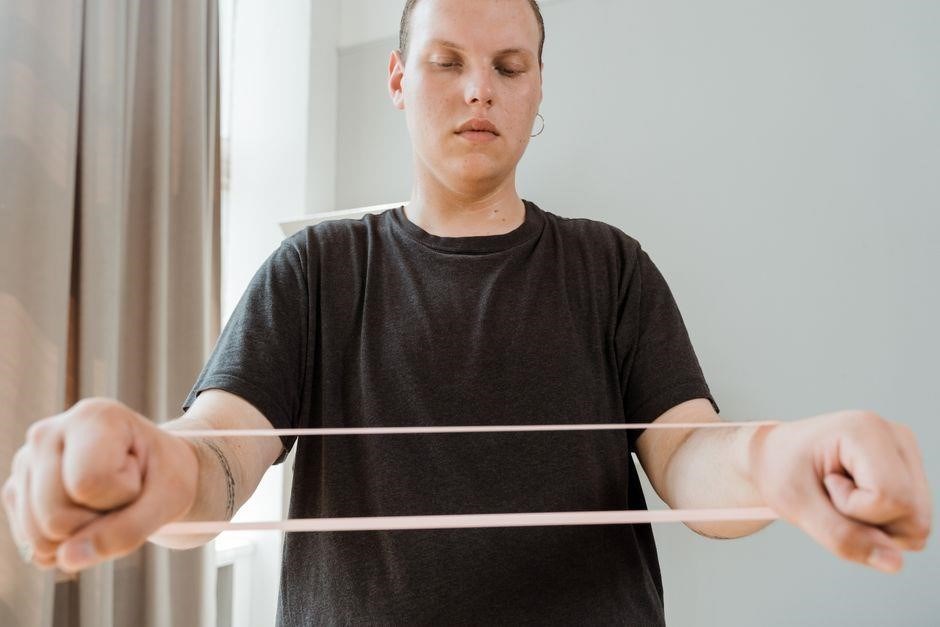
Before starting elbow ROM exercises, assess flexion, extension, pronation, and supination while noting pain thresholds and joint stability. Record baseline values to tailor progression safely. Set weekly targets and track improvements to adjust plan!
Functional Range of Motion Testing
Functional range‑of‑motion (ROM) testing is essential for tailoring elbow rehabilitation. It yields objective data that informs exercise selection, tracks progress, and flags complications. The assessment is performed seated or standing, shoulder abducted to 90°, forearm neutral. First, active flexion is measured by having the patient lift the forearm toward the chest, recording the maximum angle and noting pain or restriction. Next, active extension is tested by straightening the elbow against gravity, again noting angle and discomfort. Pronation and supination are evaluated with the elbow flexed to 90°, rotating the forearm so the palm faces down and then up; each movement is repeated three times and the best value recorded. Pain thresholds are identified at the first point of discomfort; the patient should hold the position for 5–10 seconds beyond this point to assess tolerance. Joint stability is examined by applying gentle valgus and varus stress at 90° flexion; excessive laxity or pain indicates instability that may alter the exercise plan. The entire assessment should take no longer than 10 minutes and be repeated at each follow‑up to monitor changes. All findings are documented in a standardized form, including angles, pain scores, and stability observations, creating a clear baseline for progression. A brief grip strength test with a dynamometer can provide insight into muscular contributions to ROM. Finally, results are plotted on a graph to visualize progress over time, allowing set goals patient.

Warm-up Protocols
Warm‑up protocols begin with 20 gentle elbow flexion/extension repetitions, followed by dynamic wrist circles and shoulder rolls. A towel roll under the elbow allows gravity‑assisted extension for 30 seconds, repeated three times, preparing tissues for active work. This readies the joint fully
Dynamic Stretching Techniques
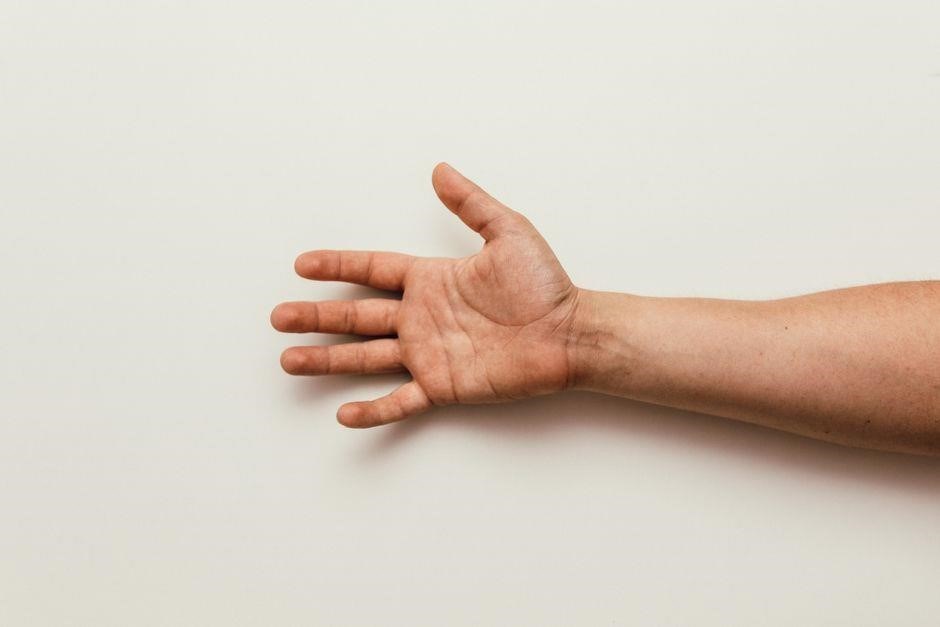
Dynamic stretching is essential for preparing the elbow joint for activity. Begin with a gentle 20‑repeat cycle of elbow flexion and extension, keeping the arm relaxed and the wrist neutral. Follow this with wrist circles: rotate the wrist clockwise and counter‑clockwise for 10 reps each direction, ensuring the forearm remains stable. Next, perform shoulder rolls to mobilize the entire upper limb: lift the shoulders toward the ears, then roll them backward and downward, completing 10 rolls. Incorporate a towel‑roll gravity extension by placing a towel roll under the elbow and adding a light weight to the wrist; let gravity straighten the elbow slowly, holding the position for 30 seconds before releasing. Repeat this sequence 3 times. This dynamic routine increases blood flow, enhances joint lubrication, and reduces the risk of strain during subsequent active or passive ROM exercises. Remember to keep the elbow slightly flexed during the towel roll to avoid excessive strain. Follow the routine with a cool‑down stretch. Stay hydrated throughout the session. Good luck! :)! Keep calm. Stay focused. Remember consistency. Staystrong! Keep up

Core Elbow ROM Exercises
Perform active flexion and extension, 10–15 reps per set, 4–6 times daily. Hold each position beyond the first pain point for 5–10 seconds. Alternate with passive stretches: gently bend, then let gravity straighten using a towel roll. Repeat 3–4 sets for full ROM!
Active Flexion and Extension Routine
Begin seated or standing with the arm relaxed. Slowly bend the elbow to about 90°, then extend fully, allowing the forearm to straighten. Perform 10–15 repetitions, pausing at the apex of each movement. After each set, hold the flexed position for 5–10 seconds beyond the first point of discomfort, then return to neutral. Repeat the extension hold similarly. Complete 4–6 sets per day, spacing them evenly. Incorporate a brief 30‑second rest between sets to prevent fatigue. Use a light weight or resistance band if prescribed. Record the maximum angle achieved and scores to track progress. Adjust the number of repetitions or hold duration when the elbow consistently moves beyond 5% of the previous maximum without pain. This routine promotes joint lubrication, muscle flexibility, and gradual ROM expansion while minimizing strain. Prior to the session, apply a warm compress for 5 minutes to increase tissue pliability and reduce stiffness. After the routine, perform gentle static stretches for the forearm and wrist to maintain flexibility. Monitor for any swelling or increased pain; if present, reduce intensity or consult a professional. Consistency over several weeks is key to achieving measurable improvements in elbow mobility. Remember to keep the elbow slightly flexed during rest periods to avoid stiffness, and perform gentle wrist rotations to maintain arm health.. Document each session in a log to identify trends and inform future adjustments!

Passive ROM Strategies
Place a towel roll under the elbow, add a weight to the wrist with palm up, and let gravity straighten the joint. If no cuff weight, insert two small cans into a tube sock, secure, and loop over the wrist. Hold 1 min, release,repeat 4 times.
Repeat 4 times
Gravity‑Assisted Extension with Towel Roll
Gravity‑assisted extension with a towel roll is a passive technique that uses body weight to straighten the elbow. Begin seated or standing with the forearm resting on a firm surface. Place a rolled towel or pillow beneath the elbow, ensuring the roll lies flat against the posterior arm. Secure the wrist with a light band or wrap to prevent unwanted movement. Allow the forearm weight to pull the elbow toward full extension, using gravity as the primary force. Hold the extended position for 30–60 seconds, breathing deeply and relaxing surrounding musculature. Release tension slowly, returning the elbow to neutral. Repeat 3–5 times, performing the exercise 4–6 times per day as tolerated. This method benefits individuals with limited active range or those recovering from surgery, minimizing muscular effort while promoting joint mobility. Consistent practice can improve proprioception, reduce stiffness, and facilitate smoother movement patterns across the elbow joint.
- Ensure the towel roll is firm and not too soft, as a too‑soft roll may not provide adequate support.
- Keep the wrist neutral; avoid excessive supination or pronation during the hold.
- Use a light elastic band to secure the wrist, but avoid tightness that restricts circulation.
- Perform the exercise in a quiet environment to focus on breathing and relaxation.
- Track progress by noting the maximum extension achieved and any pain levels;
Practice consistency enhances recovery. Gradual progression builds confidence. — Now
Adjunctive Therapies
Heat application before exercises reduces pain, improves circulation, and increases ROM. Apply a warm compress for 10–15 minutes, then perform active stretches. Avoid heat after exercise to prevent swelling. Use a hot pack for 5 minutes before, and a cool pack for 5 minutes after to balance quickly.!
Heat Application Timing
Before initiating any elbow ROM routine, a brief heating phase is essential. A moist heat pack or warm towel should be applied to the anterior and posterior elbow surfaces for 10–15 minutes. This duration allows the capillaries to dilate, elevating tissue temperature by 2–4°C, which in turn reduces muscle stiffness and increases elasticity of the joint capsule. The heat should be applied at a comfortable level—warm enough to feel soothing but not so hot that it risks burns. After the heating period, gently wipe the area to remove excess moisture, then proceed with the active flexion and extension exercises. Timing is critical; applying heat too late can diminish its benefits, while applying it too early may cause the tissues to cool before the workout begins. Therefore, the heat should be applied immediately before the warm‑up sequence, and the exercises should commence within 5 minutes of removing the heat source. This window ensures that the thermal effect remains active during movement, maximizing pain relief and ROM gains. For patients with compromised circulation or neuropathy, a lower temperature and shorter duration—5 minutes—are recommended. Conversely, athletes or individuals with chronic stiffness may benefit from a slightly longer heating period of up to 15 minutes. In all cases, monitor skin response and adjust accordingly. After completing the ROM exercises, a cool compress for 5 minutes can help mitigate any residual inflammation and restore normal tissue temperature, preparing the joint for the next session.XXXXXXXXXXXXXXXXXXXXXXXXXXXXXXXXXXXXX

Progression Criteria
Progression follows pain tolerance and ROM gains. Increase reps by 5 when the elbow moves pain‑free for 3 consecutive sessions. Extend hold time by 5 seconds after 2 weeks of consistent performance. Monitor for stiffness and adjust accordingly. Ensure progression aligns with professionaladvice
When to Increase Repetitions or Hold Time
In the elbow ROM exercises PDF, progression is guided by consistent pain‑free movement and measurable range gains. Begin each session with the prescribed number of repetitions and hold durations. If the elbow flexes or extends comfortably beyond the initial pain threshold for at least three consecutive days, add five additional repetitions to each set. Hold times should be extended by five seconds only after a minimum of two weeks of stable performance, ensuring the joint remains free of discomfort. Monitor for any new stiffness or swelling; if these symptoms appear, pause progression and reassess. The goal is to gradually expand the ROM without compromising joint integrity. Document changes in a log to track progress and inform future adjustments. Always consult a healthcare professional before making significant modifications to the program. Use a numeric pain scale (0–10) after each set; if pain rises above 3, reduce repetitions. Rest for 48 hours between sessions if swelling occurs. Incorporate gentle isometric holds at end range to build strength without overstretching. Record ROM measurements weekly to quantify progress. If gains plateau for two weeks, consider adding a light resistance band for controlled loading. Always keep the elbow joint warm before exercise; a 15‑minute warm‑up improves flexibility. Consult a physiotherapist for personalized adjustments. When pain subsides, gradually increase hold duration by 5 seconds per week daily.