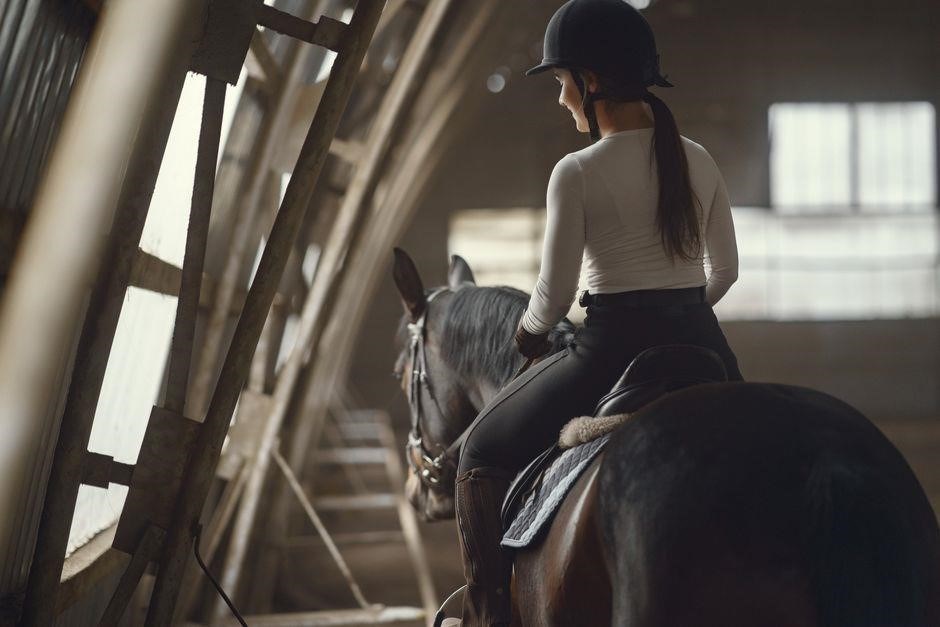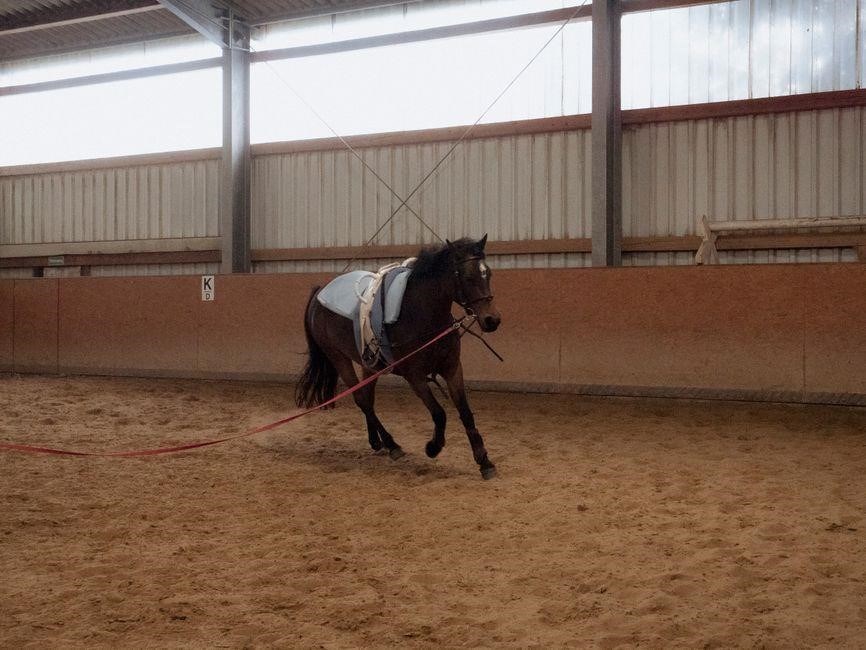
Introductory Level Dressage Background
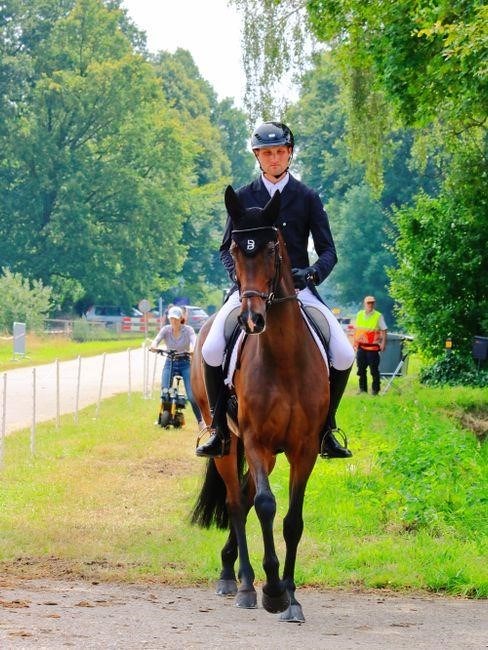
The Introductory Level serves as the entry point for riders, offering a structured path to develop basic skills and confidence․ It bridges casual riding and competitive dressage, ensuring safety and consistency while preparing riders for higher levels․ Curriculum stresses rhythm, rider communication, partnership!
Definition and Objectives of Intro Level Tests
Introductory Level tests are the foundational dressage examinations for riders new to competition or seeking to solidify basic skills․ They provide a structured progression that emphasizes rider confidence, horse readiness, and the development of essential dressage fundamentals․ Objectives include establishing a clear rhythm, improving rider communication, and fostering a harmonious partnership between horse and rider․ These tests are scaled to be approachable yet challenging, ensuring participants gain a comprehensive understanding of movement, balance, and obedience․ The tests typically comprise movements such as the working trot, circles, and free walk sequences, each executed with precision and consistency․ Mastering these elements builds the technical foundation necessary for higher‑level tests while horses develop the physical and mental attributes required for advanced dressage․ The Introductory Level also serves as a benchmark for judging, allowing instructors and judges to assess progress objectively․ Ultimately, the goal is to create a safe, enjoyable, and educational experience that prepares both horse and rider for the next stages of dressage competition․ It also encourages consistent practice daily․
In addition, the Intro B test specifically requires the horse to perform a series of movements that demonstrate the ability to transition smoothly between gaits, maintain correct posture, and respond to subtle rider cues․ The test includes a working trot that must be executed rising, a halt sequence that emphasizes a clean break, and a circle right and left of 20 meters each․ The free walk sequence down the centerline tests the horse’s ability to maintain rhythm while executing a relaxed walk․ These elements reinforce the rider’s skill in timing, balance, and communication, providing a solid platform for future progression․
Additionally, the Intro B test requires the horse to perform a working trot rising, a halt sequence with a clean break, and 20‑meter circles right and left․ The free walk down the centerline tests rhythm and relaxed walk, reinforcing timing, balance, and communication․ This structure guarantees smooth progression․
Role of Intro B Test within USDF Competition Structure
The Intro B test occupies a pivotal position in the United States Dressage Federation’s (USDF) competitive framework, acting as the bridge between foundational training and the more demanding Intro A test․ It is the first formal test that riders must complete to qualify for higher‑level competitions, and it establishes a standardized baseline of skill that all participants must demonstrate․ By requiring a working trot rising, precise circle work, and a free walk sequence, the test ensures that both horse and rider have mastered the core elements of dressage before advancing․ This structure promotes consistency across clubs and judges, allowing for fair comparison of performances nationwide․ Moreover, the Intro B test serves as a qualification checkpoint for riders seeking to compete in state and national championships; only those who have successfully passed this test are eligible to enter the next tier of competition․ The test’s design also aligns with USDF’s educational goals, emphasizing rider confidence, horse fitness, and the development of a strong partnership․ Consequently, the Intro B test is not merely a routine assessment but a critical milestone that shapes a rider’s competitive trajectory and reinforces the federation’s commitment to progressive, skill‑based advancement․ Participants who excel in the Intro B test often receive recognition at regional meets, fostering motivation and encouraging continued training․ The test’s rigorous standards also help clubs identify riders ready for advanced instruction, ensuring a smooth transition to higher levels; USDF’s emphasis on progressive testing guarantees that each rider’s development is measured against clear, objective criteria․ The Intro B test’s role as a gatekeeper underscores the federation’s commitment to safety, skill, and fairness across all levels of competition․ By mastering this test, riders demonstrate readiness to tackle the complexities of higher‑level dressage, solidifying their place within the USDF competitive hierarchy․ A true test now․
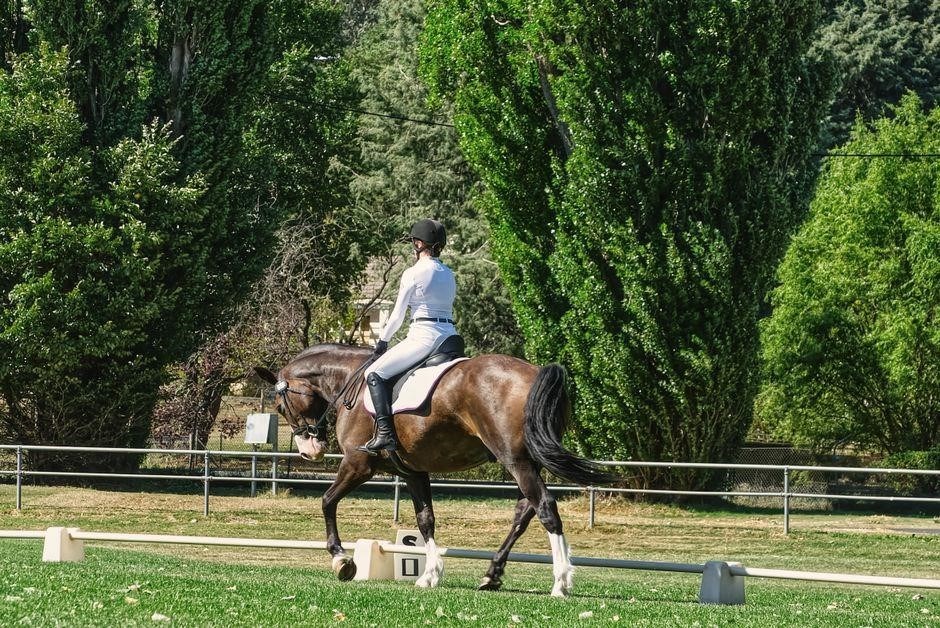
Intro B Test Diagram Overview
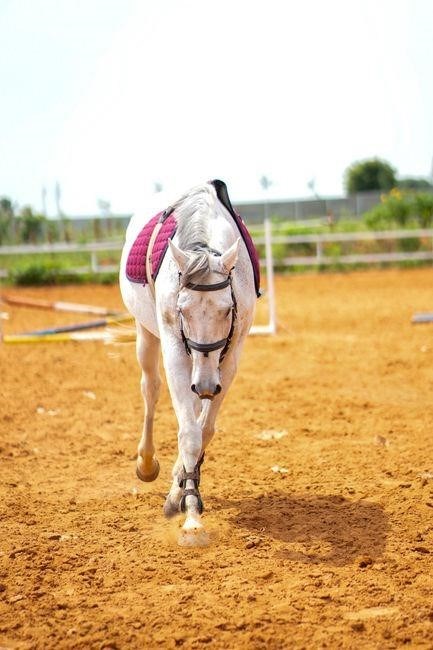
The diagram sheet outlines the Intro B test sequence: enter working trot, halt, circle right 20m, circle left 20m, free walk, down centerline, and final halt․ Each movement is marked with symbols (A, B, C, etc․) and timing cues for judges․ The PDF gives a clear guide judges
Key Movements Illustrated in the Diagram Sheet
The Intro B diagram sheet presents a concise roadmap of the test, using a combination of letters, symbols, and arrows to denote each phase․ The first action is the “Enter Working Trot” (A), where the horse must rise, maintain a steady rhythm, and respond to the rider’s aids․ A brief halt (X) follows, executed through a medium walk, allowing the rider to reset balance and confirm the horse’s attentiveness․ The next segment, “Circle Right 20 m” (B), requires a clean, controlled turn at the trot, with the horse’s shoulders aligned and the hindquarters engaged․ A subsequent halt (X) signals the end of the circle, preparing for the left turn․ The “Circle Left 20 m” (C) mirrors the right circle, emphasizing symmetry and smooth transitions․ After completing the left circle, the rider proceeds to a “Free Walk” (F‑E) sequence, where the horse should exhibit a relaxed, even gait, demonstrating balance and responsiveness․ The final movement is the “Down Centerline” (E‑H), a straight walk that tests the horse’s straightness and the rider’s ability to maintain a straight line while keeping the horse’s frame aligned; Each movement is accompanied by specific timing cues, ensuring the test is performed within the allotted time while maintaining the required rhythm and precision․ Riders should also pay attention to the horse’s head position, ensuring it remains level and forward, and to the rider’s seat, which must stay deep and balanced throughout the test․ Proper use of the reins, especially during the circles, helps maintain a consistent width and prevents the horse from drifting․ Judges look for smooth transitions, correct rhythm, and a clear, confident partnership between horse and rider․ Consistency in rhythm is vital for scoring․
Pattern Flow and Timing Requirements
The Intro B test follows a strict sequence that balances rhythm and precision․ After the initial “Enter Working Trot” (A), the rider must halt (X) and then immediately begin the right circle (B) at a consistent 20‑meter width․ Timing for the circle is approximately 12 seconds, allowing the horse to maintain a steady trot while the rider keeps the reins firm yet relaxed․ Following the right circle, a brief halt (X) precedes the left circle (C), which also takes about 12 seconds․ The left circle should mirror the right in width and fluidity, ensuring symmetry․ After completing the left circle, the rider transitions to a free walk (F‑E); this phase lasts roughly 8 seconds, during which the horse should exhibit even, relaxed strides․ The final segment, “Down Centerline” (E‑H), requires a straight walk of about 10 seconds, concluding with a halt (X) and salute․ Throughout the test, the rider must keep the horse’s frame level, the head forward, and the seat deep․ Each movement’s timing is critical; judges penalize rushed or delayed transitions․ A well‑timed test demonstrates the rider’s control, the horse’s responsiveness, and the partnership’s harmony, all of which are essential for a high score in Intro B․ The pattern flow demands that the rider maintain a steady rhythm, keep the horse’s shoulders aligned, and use subtle aids to signal transitions․ Timing cues are embedded in the diagram: the 20‑meter circles are measured by the rider’s stride count, while the free walk and centerline are timed by the judge’s stopwatch․ Proper execution of these cues ensures that the test stays within the allotted 90‑second window, allowing the rider to showcase smoothness, balance, and a clear communication line between horse and rider․ The judge’s focus on timing and flow reflects the foundational skills that will carry the rider into higher levels of dressage, where precision and artistry become increasingly demanding․ Practice of these timing elements builds confidence and improves horse’s responsiveness!!
PDF Resource Details
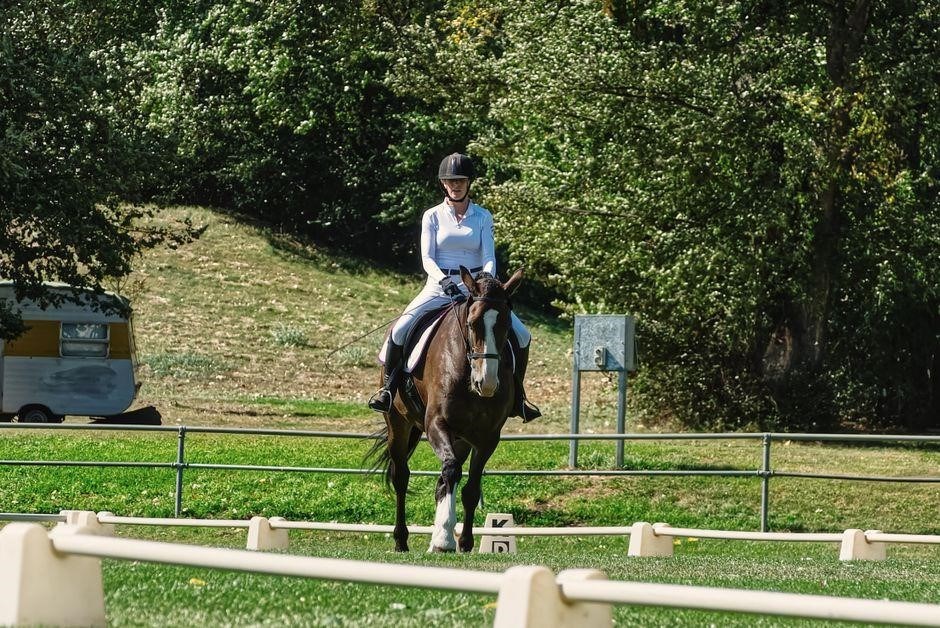
The USDF Intro B diagram PDF is freely downloadable from the official USDF site․ It appears as a standard PDF, 8․5×11 inches, with clear movement symbols and timing notes․ The file was published on 13 Aug 2020 and remains accessible for training use․ Download it to review the exact movement sequence before practice․
USDF Intro Test B Diagram PDF – Availability and Format
The United States Dressage Federation (USDF) offers the Introductory Level Test B diagram as a free PDF available on its official website․ Titled “IntroTest_B_diagram_Sheet;pdf,” the file was published on August 13, 2020 and can be downloaded from https://www․usdf․org/EduDocs/Competition/IntroTest_B_diagram_Sheet․pdf․ The PDF is sized A4 (210 mm × 297 mm) and is designed for both screen and print use․ It contains a single page that shows the full test sequence, including movement symbols, timing bars, and brief notes․ The layout uses a clean grid, labeling each step with a letter or number and a short description․ Riders and judges can view the diagram in any PDF reader, such as Adobe Acrobat Reader or Foxit Reader․ The file is searchable, making it easy to locate specific movements․ For hard‑copy reference, the PDF can be printed at 100 % scale without loss of detail․ The USDF also provides a PNG version for quick viewing․ Because the file is hosted on the federation’s site, it is up‑to‑date and free for educational use․ Riders and coaches can download, save, and share the diagram without licensing fees․ This resource supports the USDF’s mission to give riders at all levels access to clear, high‑quality training materials․ Riders can also overlay the diagram onto a physical arena map to visualize the exact positions and distances required for each movement․ The PDF includes a legend that explains the symbols for forward, lateral, and diagonal work, as well as the notation for changes of rein and the use of the halter․ Additionally, the file offers a printable version in high‑resolution PNG format, which is convenient for quick reference during training sessions․ Coaches often use the diagram to create custom practice plans, ensuring that each rider’s progression aligns with the test’s expectations!!!
Step-by-Step Test Breakdown
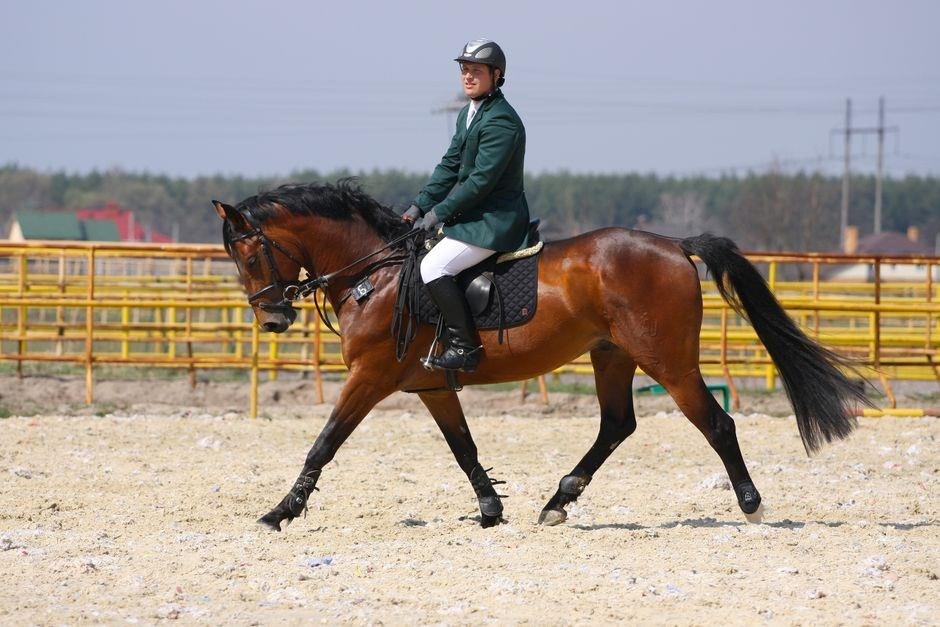
The Intro B test follows a clear sequence: begin with a working trot, transition to a halt, then perform two 20‑meter circles, and finish with a free walk and centerline return․ Each movement is timed and marked on the diagram, ensuring riders stay on rhythm meet test criteria!!!!
Step 1: Enter Working Trot and Halt Sequence
Step 1 begins with a smooth entrance into a working trot, rising as the rider settles into the seat․ The horse should maintain a steady rhythm, flexed at the poll, and the rider’s aids should be light and consistent․ After a few strides, the rider calls the horse to a halt through a medium walk, ensuring the transition is clean and the horse remains balanced․ The rider then salutes, signaling the end of the halt, before resuming the working trot․ This sequence tests the rider’s ability to control the horse’s speed, maintain rhythm, and execute a precise transition․ The diagram sheet marks the exact points for the halt, the salute, and the return to trot, allowing judges to assess timing and accuracy․ A successful execution demonstrates the rider’s foundational skills and sets the tone for the rest of the test․
Step 2: Circle Right 20m and Circle Left 20m in Trot
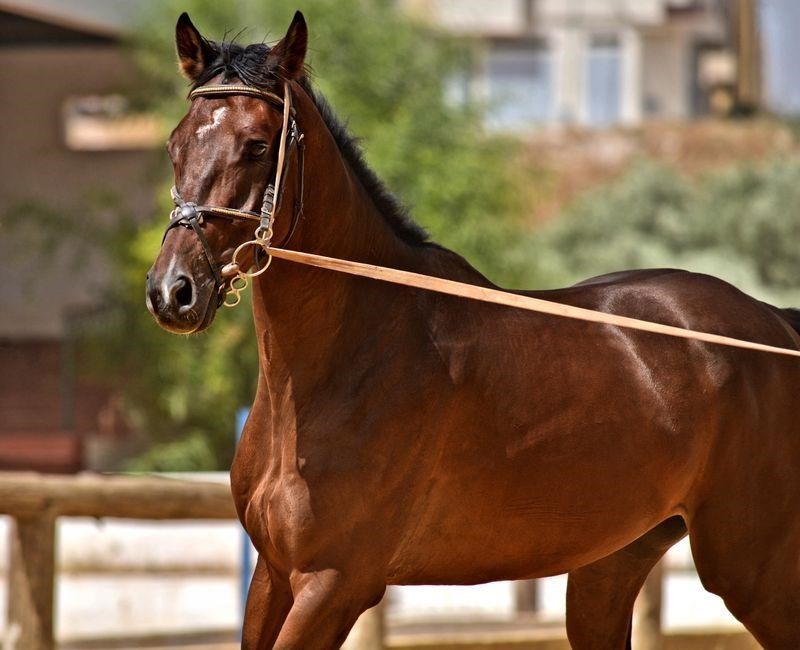
After establishing the working trot, the rider transitions to a 20‑meter circle to the right, maintaining a consistent trot rhythm and a steady rise․ The horse should execute a smooth, balanced circle, with the rider’s aids keeping the horse centered and the reins short․ The rider must keep the horse’s body level, ensuring the hindquarters remain square to the circle’s center․ Once the right circle is complete, the rider calls for a brief halt, then immediately turns to a 20‑meter circle to the left, again in a working trot․ The left circle demands the same level of balance and rhythm, with the rider’s hands guiding the horse’s direction without pulling․ Throughout both circles, the rider’s seat and leg aids must be subtle yet firm, allowing the horse to maintain a natural, rhythmic trot while staying within the prescribed 20‑meter radius․ Judges assess the horse’s balance, the rider’s control, and the smoothness of transitions between circles․ Proper execution demonstrates the rider’s ability to manage directional changes while preserving the quality of the trot, a key skill for progressing to higher levels of dressage․ The diagram sheet marks the start and end points of each circle, ensuring the rider follows the exact path required by the Intro B test․ By mastering these circles, riders build confidence in steering and maintaining rhythm, essential for later tests that demand more complex movements and greater precision․ Mastery of these circles fosters harmony and confidence preparing rider for upper tests․
Step 3: Free Walk Sequence and Down Centerline
After completing the right and left circles, the rider must transition to a free walk sequence that showcases the horse’s ability to move with relaxed, rhythmic steps․ The rider should maintain a light, even seat, using the leg to encourage the horse to walk freely while keeping the reins slack enough to allow a comfortable stride․ The free walk should cover a short distance, typically 10–15 meters, before the rider signals a return to the centerline․ At the midpoint of the walk, the rider may introduce a slight turn to the right or left, depending on the test diagram, to demonstrate directional control․ The horse should remain balanced, with the shoulders and hindquarters aligned, and the rider’s aids subtle yet effective․ Once the walk is complete, the rider calls for a halt, then guides the horse back to the centerline, ensuring the horse’s body is square to the line․ This final movement tests the rider’s ability to bring the horse back to a neutral position after a sequence of directional changes․ Judges evaluate the smoothness of the walk, the horse’s balance, and the rider’s control during the return to the centerline․ Proper execution of this step is crucial for building confidence and demonstrating the foundational skills required for progression in this test․ The diagram sheet highlights the exact points where the free walk should begin and end, providing a clear visual reference for the rider to follow during practice and competition․ Mastery of this step is essential for a solid base for more advanced movements in future tests․ The test values rhythm!!!!!!!!! This test builds skill!!
Practical Tips for Performing Intro B Test
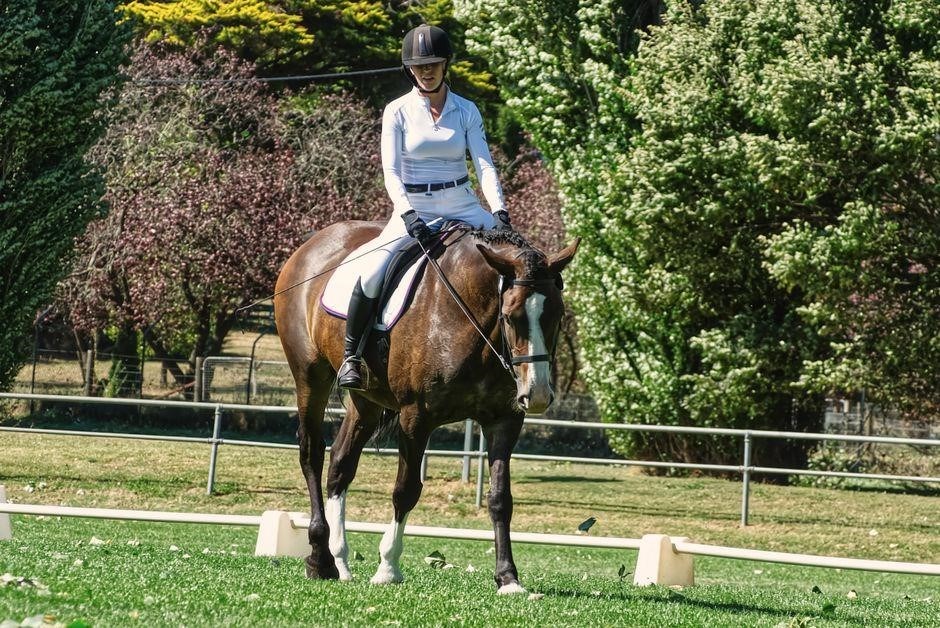
Use the diagram sheet to mark exact halt points, keep seat light, and maintain rhythm․ Practice 20‑meter circles both sides, then transition to free walk before returning to centerline․ Focus on balance, communication, and calmness․ Keep horse calm and posture․
Common Pitfalls and How to Avoid Them
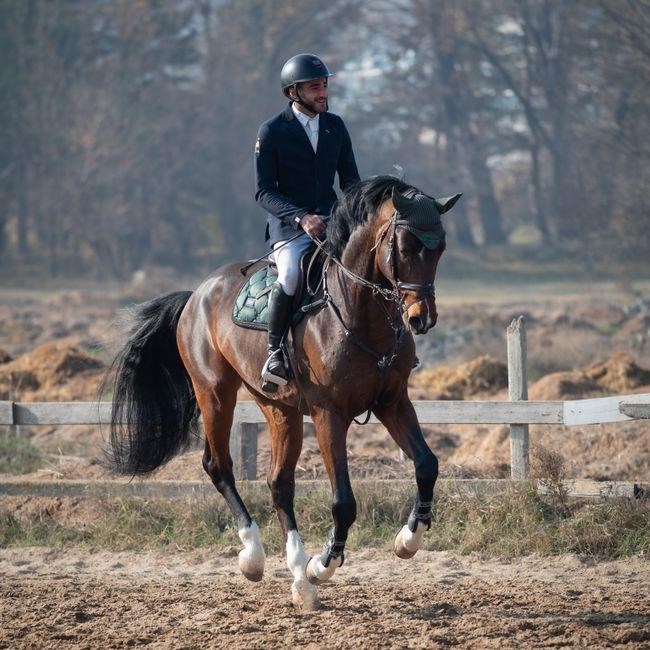
Intro B riders often misread diagram symbols, causing wrong halt placements or missed circle directions․ A frequent mistake is rushing the trot‑to‑walk transition, breaking rhythm and causing the horse to lose balance․ Over‑working the trot by keeping the seat too tight stiffens the movement, making 20‑meter circles rigid․ Riders forget to keep shoulders square while circling, pulling the horse off the centerline․ Many competitors neglect visualizing the centerline after the walk, leading to a misaligned return․ To sidestep these pitfalls, study the diagram sheet in detail, print it, and mark each halt and circle with a pencil․ Practice the trot‑to‑walk transition slowly, keeping the horse’s head level and the seat relaxed․ Use a metronome to maintain a steady rhythm during the 20‑meter circles․ Keep the horse’s shoulders square by visualizing the travel line․ Rehearse the test several times, focusing on smooth rein changes and a calm posture․ Consistent practice and attention to detail will eliminate pitfalls and elevate performance!!